
Painting an Historic Portrait
Governor John J. Bagley
By Joshua Adam Risner

Inspiration: George Healey

Reference: Governor Bagley
The portrait was conceived through a synthesis of traditional techniques. The project combined Healey’s more direct style with the an academic method of building up layers of semi-transparent pigments, while also incorporating Rembrandtesque textural effects. By merging these approaches, Governor Bagley takes on a presence that feels both historically grounded and vibrantly alive.
The Working Process
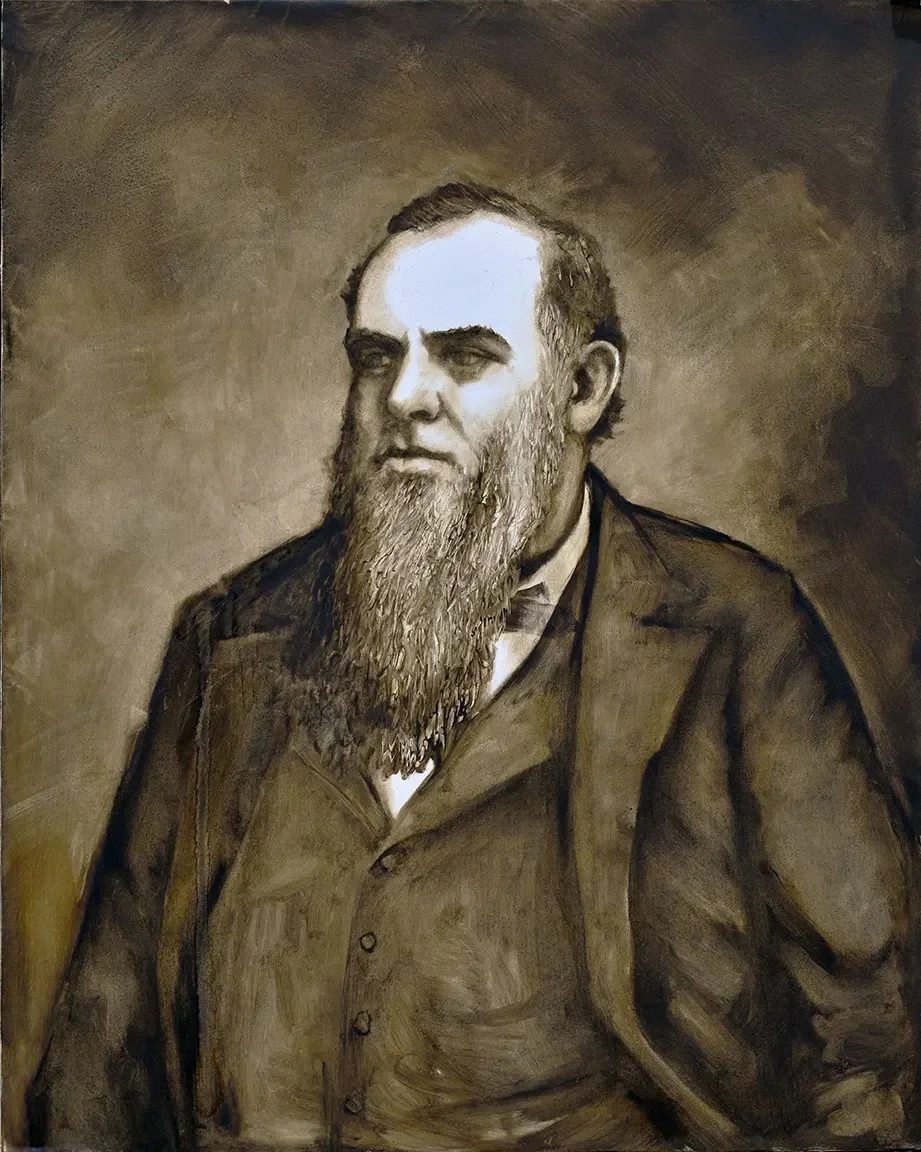
1. Grisaille Underpainting
The foundation began with a monochromatic underpainting in burnt umber. This grisaille stage establishes the initial composition and mapping of essential values before any physical texture or color is introduced.
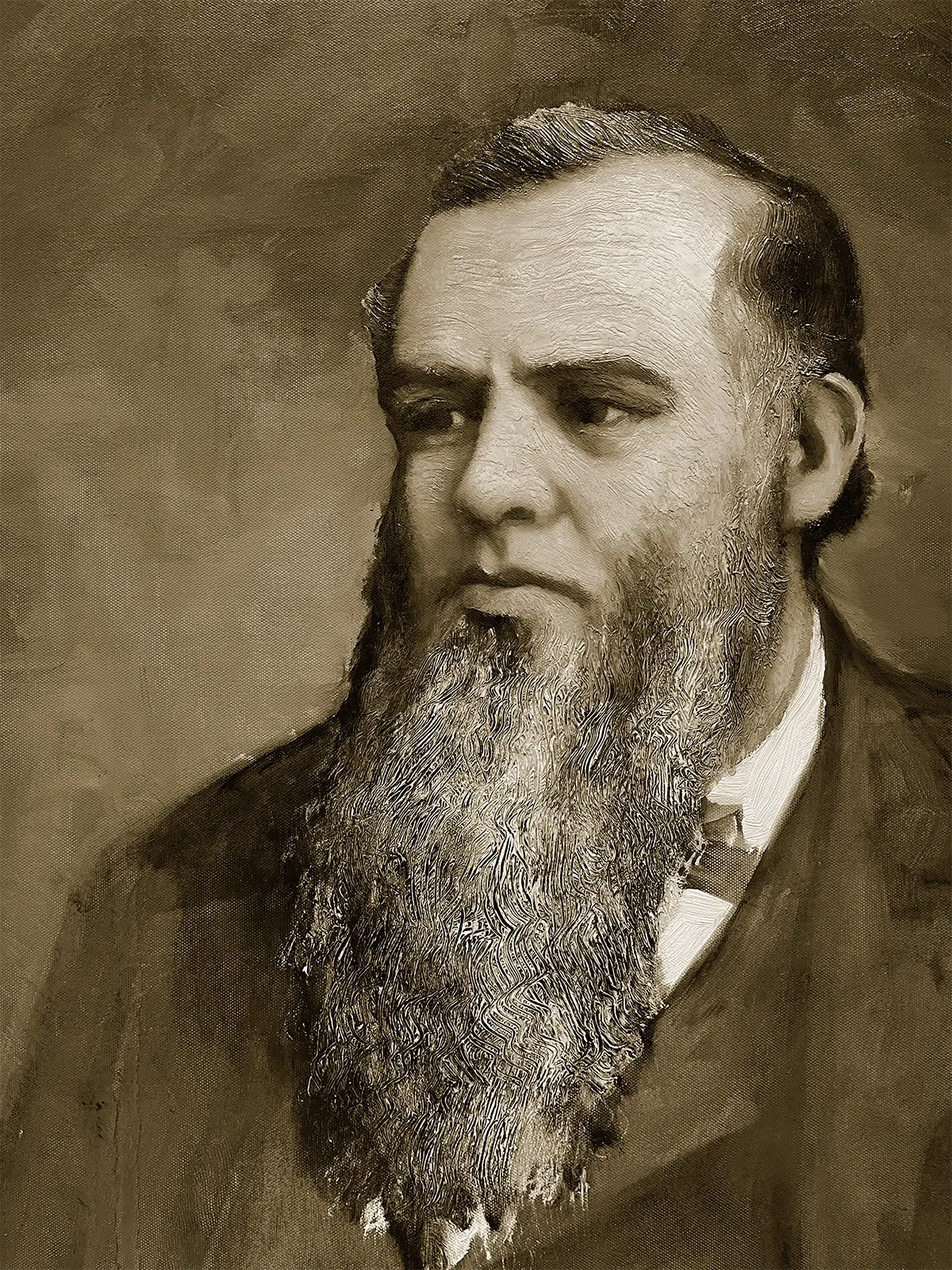
2. Texture & Value Refinement
Using the grisaille as a structural map, I built up the physical texture through impasto applications. This phase involves continuing to develop and refine the value structure until the piece is ready for color application.
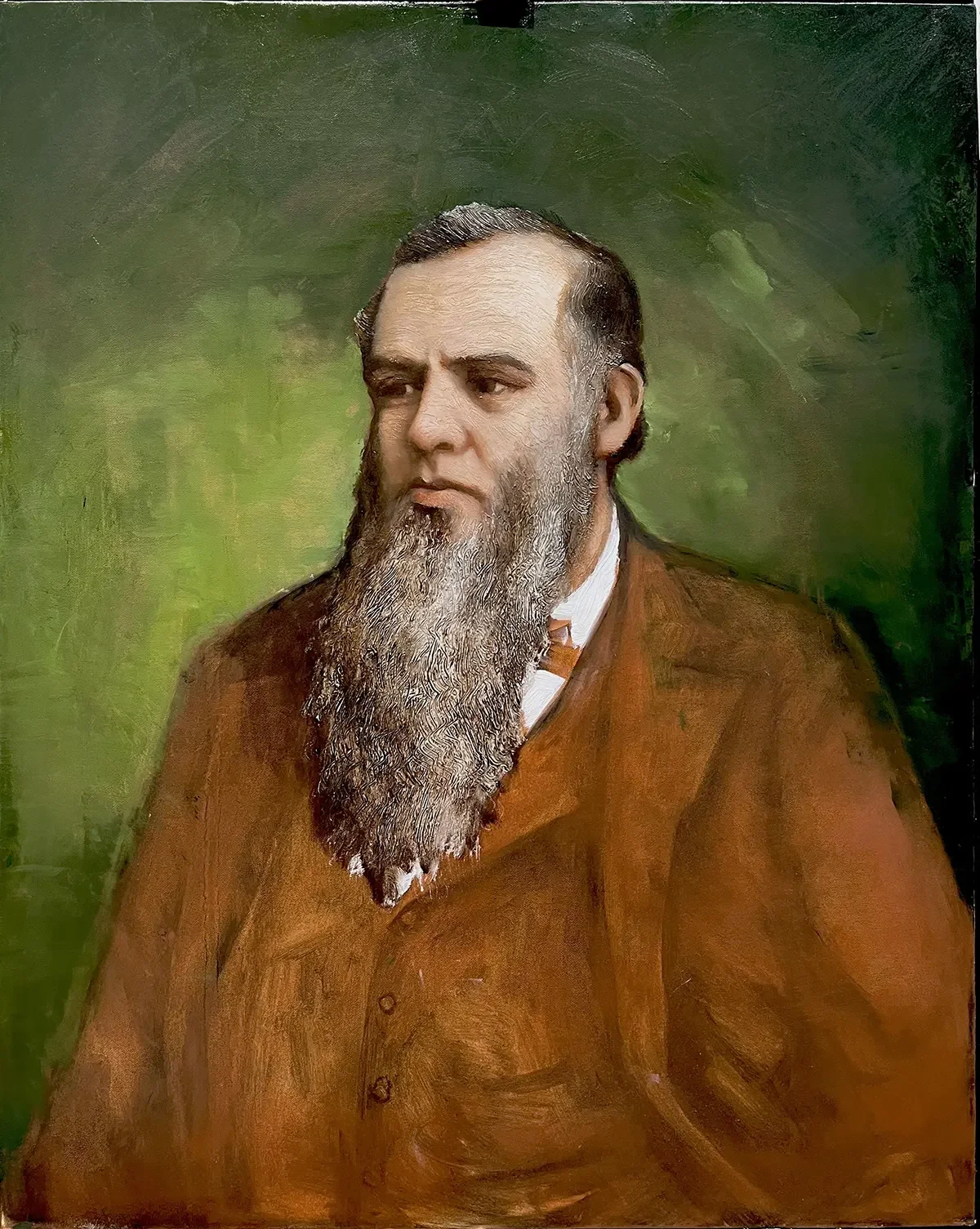
3. Chromatic Development
With the values set, I began the complex process of building up colors through a balance of transparent glazes and opaque applications. This adds depth and vibration while maintaining the structural integrity of the values established earlier.
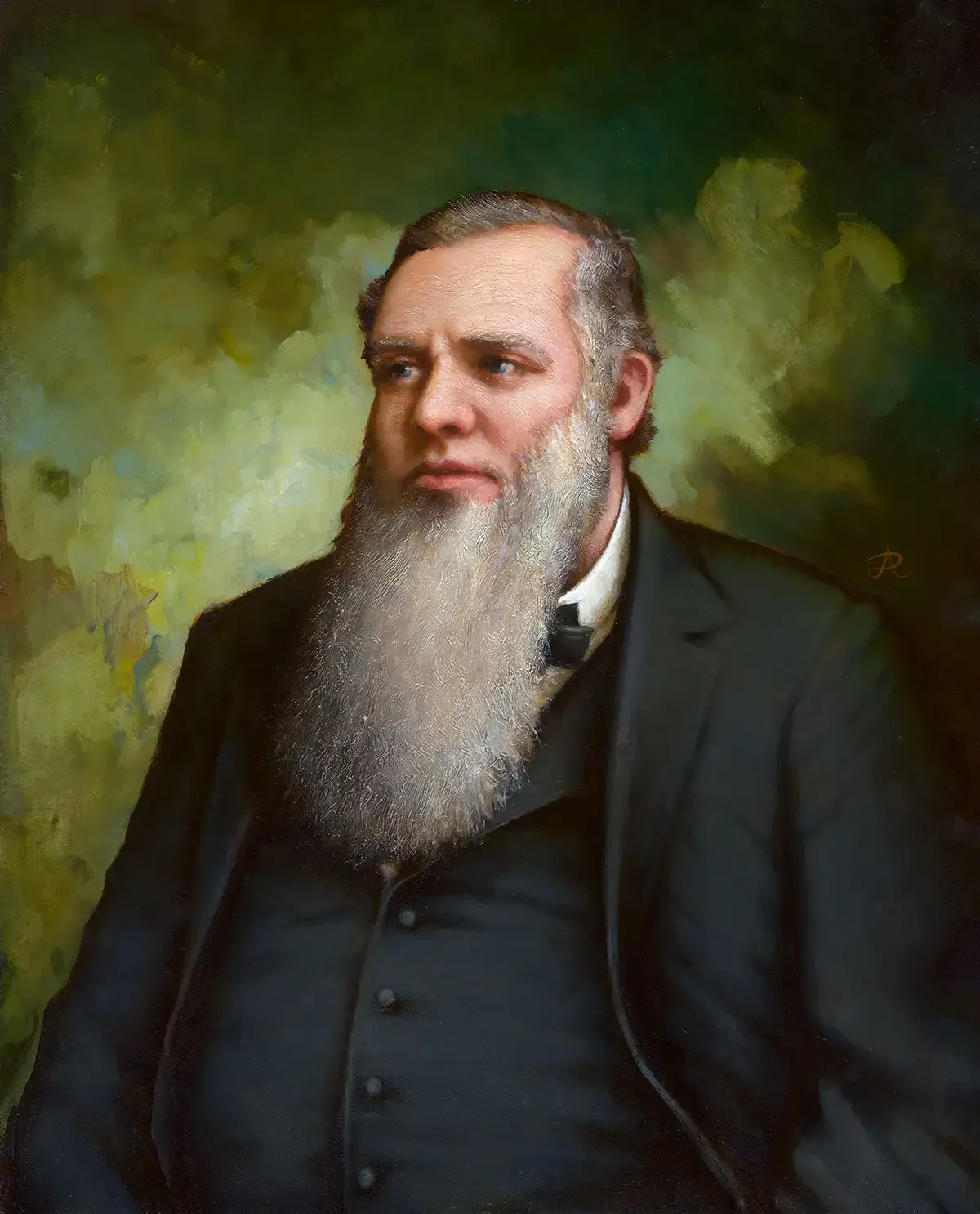
4. Refinement & Final Glazing
Final layers of color harmonize the background with the subject. Focusing on the interplay between cool background greens and the warmth of the skin tones achieves a sculptural, unified presence.
The Importance of the Frame
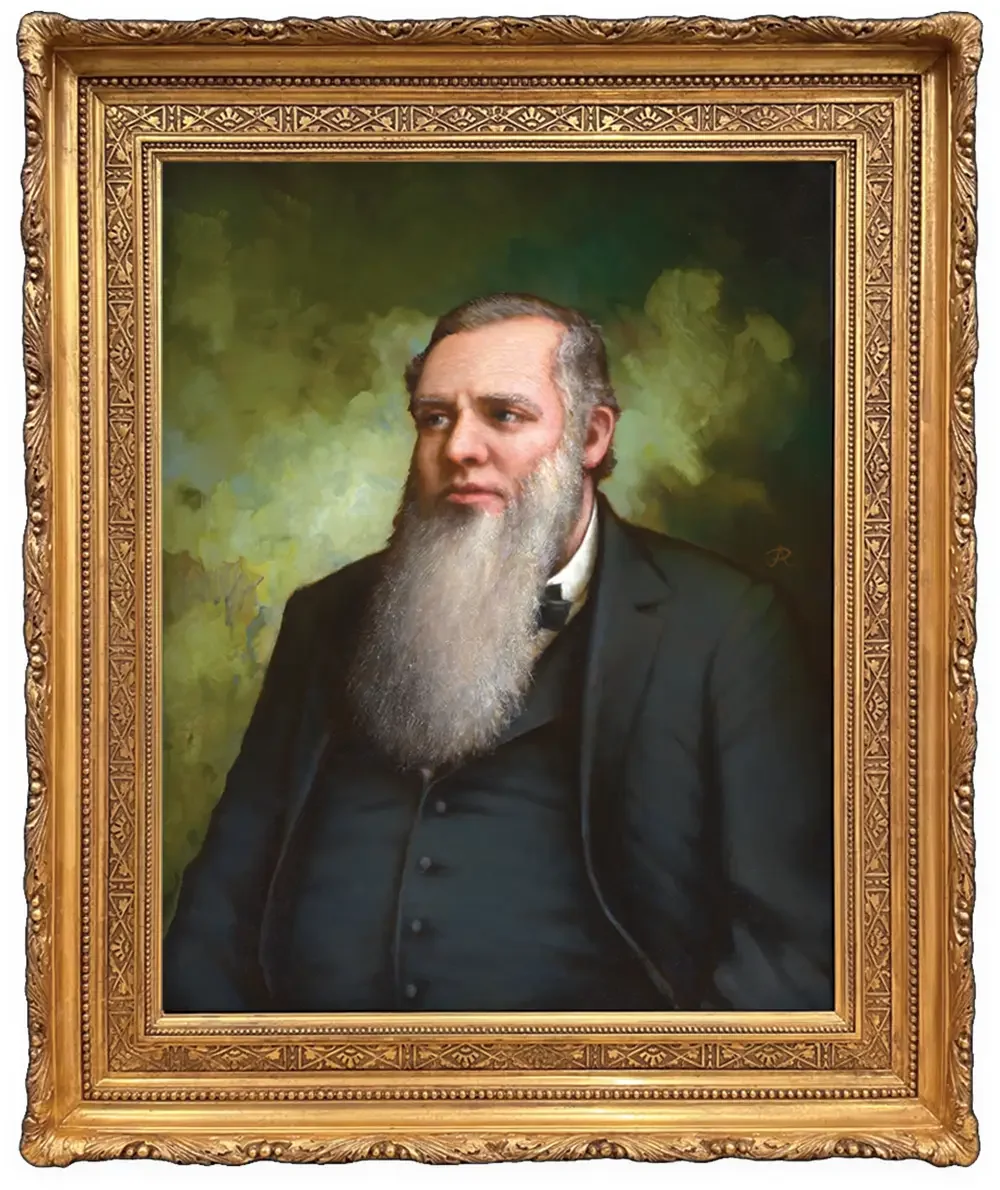
A portrait of this caliber is only truly finished once it is housed in a period-appropriate frame, grounding the work within its intended historical context.
- Medium: Oil on Linen Aluminum Panel
- Technique: Indirect/direct Painting / Glazing
- Style: 19th-Century Classical Realism
- Materials: Conservation-Grade Pigments & Oils