The Living Presence: To Smile or Not to Smile?
Why I Might Ask You Not to "Cheese"
By Joshua Adam Risner
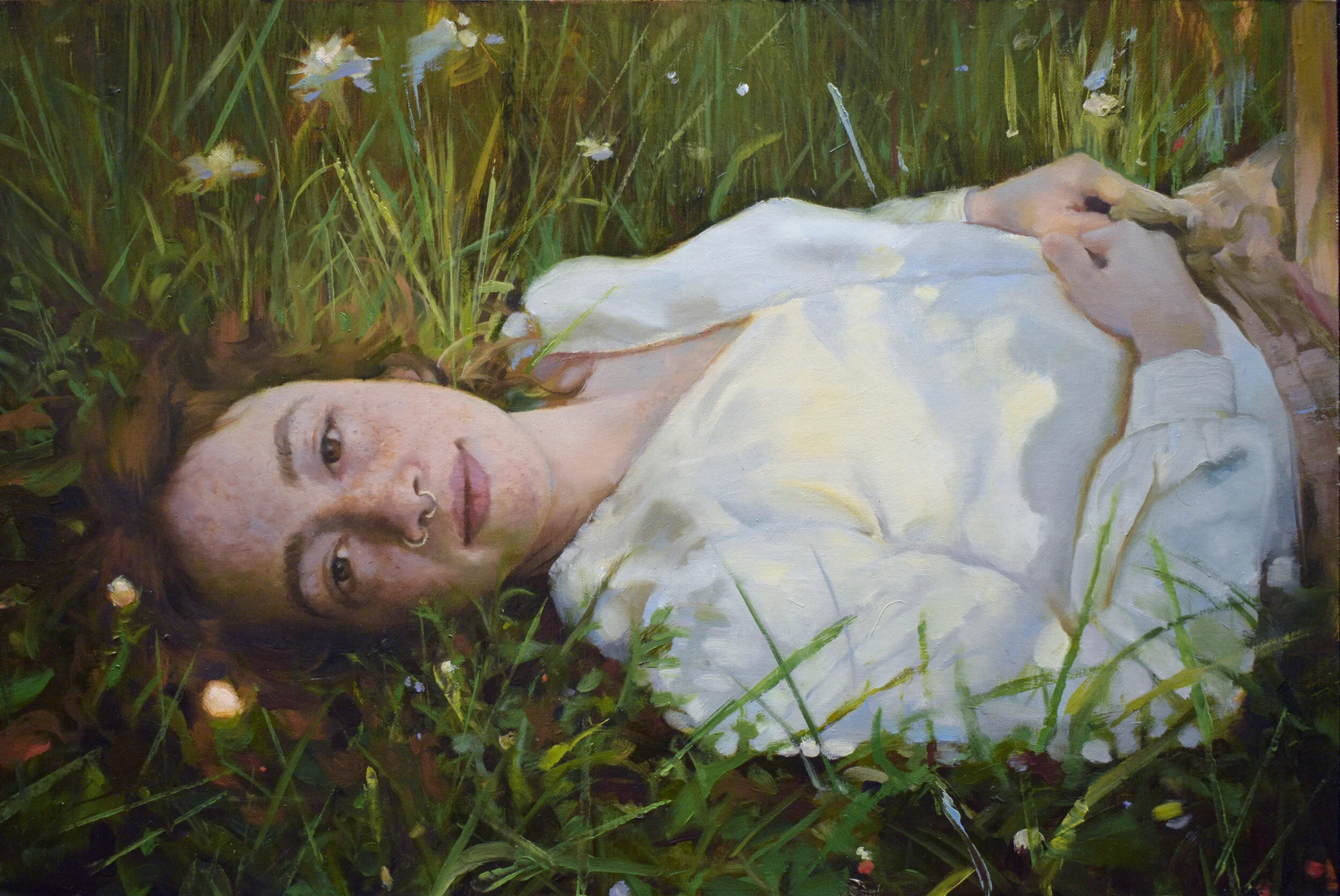
We live in a "Say Cheese" culture. The second a camera comes out, most of us have a practiced reflex—a quick, muscular "on" switch where we show our teeth and signal to the world that we’re doing just fine. It’s a great tool for a holiday card, but for a painted portrait, we’re looking for something deeper. We’re looking for what I call a Living Presence.
When you look at a great historical portrait, you’ll notice that people rarely grinned. It wasn’t because they were miserable; it was because they understood that a portrait is a long-term investment in a person’s legacy.
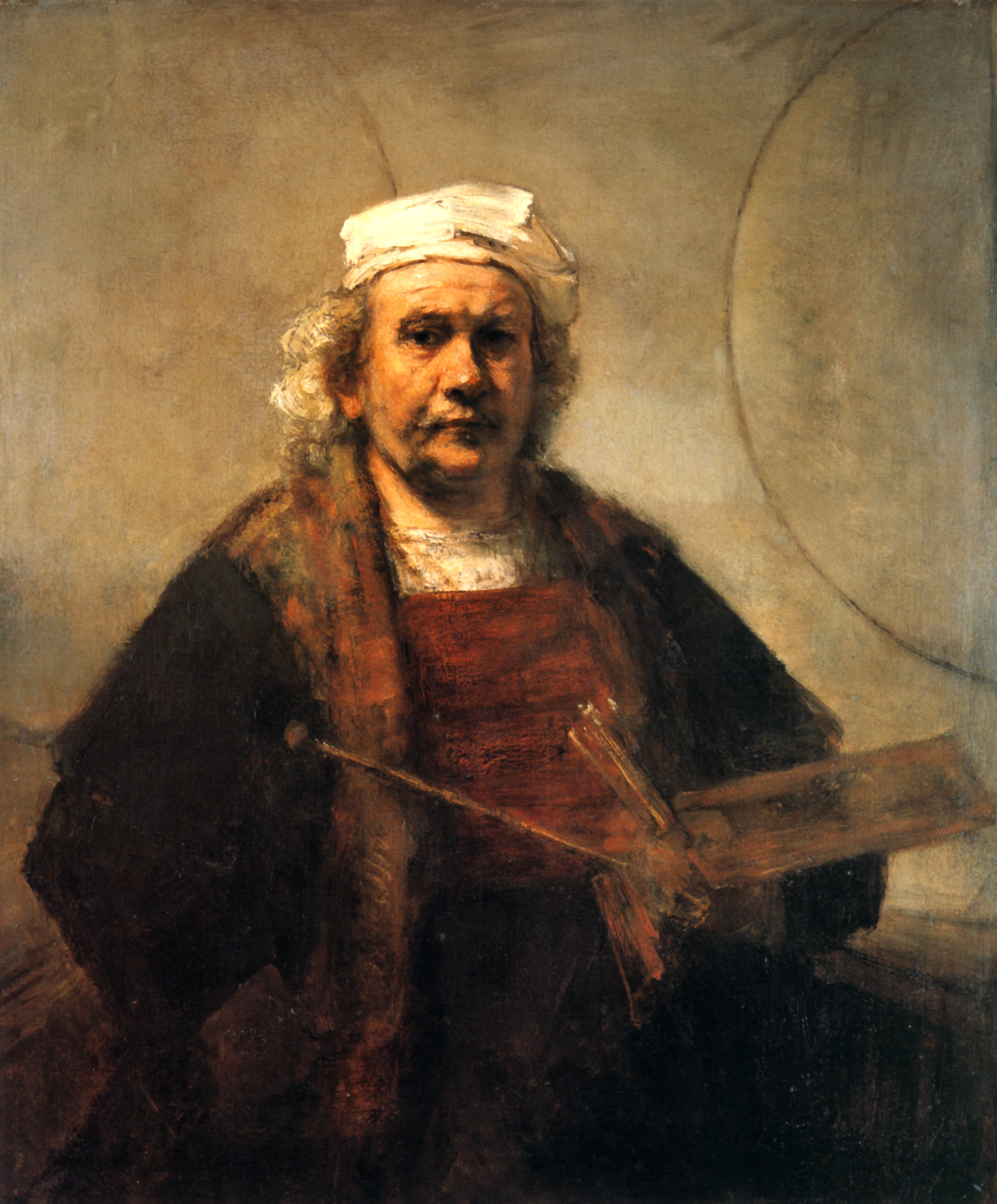
Rembrandt’s Self-Portrait: A gaze that holds the weight of a lifetime.
The Architecture of a Thought
A smile is a fleeting event—it lasts a second and then it’s gone. To freeze that one-second grin in oil can actually flatten a person, reducing a complex human being to a single, static impulse. When your mouth is closed and your expression is neutral, there is a potential for a smile. It creates a bit of a mystery. Because you aren’t telling the viewer exactly how to feel, they have to work a little harder. They start to wonder: What is he thinking about? Who is she, really? That tension is what makes a painting a conversation that lasts for generations. The reason it lasts is because the viewer can bring a bit of themselves to the experience. A smile says it all; a neutral gaze asks a question.

John Singer Sargent’s Lady Agnew: Caught in a living motion.
A Moment That Captures Many Moments
There’s a big difference between a lens and a brush. A camera captures a millisecond. A painting captures a duration. We all know we look different in every photo, but a painting needs to look like all the photos. It needs to speak to the whole of what you look like. The essence.
I often think about the "Simultaneity" found in Cubism. Even though I paint realistically, the spirit of my process is similar. The way Picasso tried to paint the essence of three-dimensional form on a two-dimensional canvas is the same way I try to paint a 3D personality on a 2D canvas. A portrait isn't just "you at 2:00 PM on a Tuesday." It’s a synthesis of your past, present, and future. When we move past the performance of a smile, we find the "inner architecture" of the face—the part of you that exists when no one is watching. The result is a face that doesn't feel "frozen." It feels like it is continuously happening.

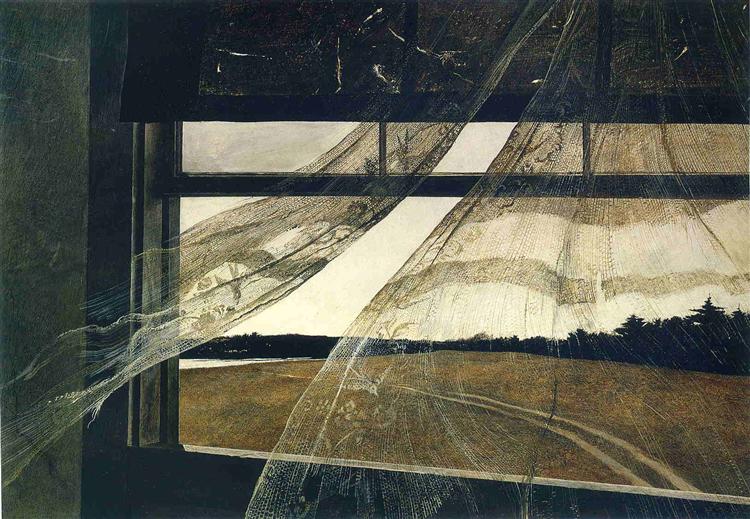
Inness and Wyeth: Capturing the "vapor" of a scene and the passage of time.
The "Atmosphere" of the Soul
I’ve always been inspired by the Tonalist painters, like George Inness. They didn’t just want to paint a static field; they wanted to paint a "living motion." They wanted to capture what it was like to be in the landscape, not just a picture of a moment. I try to bring that same "motion" into my portraits. A serious face isn't "grumpy" or sad—it has gravitas. It suggests a person governed by quiet strength and reason. It suggests something happened before and something will happen after.
Andrew Wyeth understood this perfectly; his work captures a profound, heavy stillness that feels alive because it captures the quiet passage of time. He doesn't just paint a face; he paints the air around the person. This creates a psychological space that the viewer can actually inhabit.
The Portrait as a Chord
If a snapshot is a single note, a portrait with a Living Presence is a chord. It takes multiple notes—different moods, moments, and perspectives—all struck at the exact same time to create a harmony that feels truly human.
When you sit for a portrait with me, my goal is to help that performance drop. We aren't just making a record of what you want to look like, or what you think you look like; we’re creating an experience of who you are. It’s an image that doesn't just sit on the wall—it breathes. It’s a life lived.